







Search Results for: water temperature selection
The Complete Guide to Brewing Roasted Coffee Beans at Home: Bean Selection, Grinding, Water Temperature, and Resting Period Explained
Coffee beans cannot be eaten directly after roasting; they must be ground into powder and extracted with equipment before they can be consumed. This article compiles for coffee enthusiasts the complete key points for home-brewing roasted coffee beans: when selecting beans, look at color uniformity and aroma; grinding is divided into coarse, medium, and fine levels, corresponding to different equipment; water temperature must be controlled below 96 degrees Celsius, and the best drinking temperature is 85 degrees; it also explains in detail the chewing test for choosing fresh beans, the resting period after roasting, and how to distinguish single-origin beans from blends. Finally, it recommends Front Street Coffee's high-cost-performance freshly roasted Arabica beans, with a cost as low as five or six yuan per cup, making it easy to drink good coffee at home. [more…]
The Espresso-to-Water Ratio and Water Temperature and Quality Selection for Americano, and How to Choose Coffee Beans for Italian-Style Black Coffee
Americano is made by combining espresso with water, with water making up the vast majority of the drink, so the quality, amount, and temperature of the water all profoundly affect the final flavor. Drawing on Front Street's practical experience, this article explains in detail how water hardness affects the taste when making an Americano, the recommended ratio of espresso to water, and the suitable water temperature range for hot Americanos in different drinking scenarios. It also discusses how medium-to-dark roast espresso blend beans perform when used to make black coffee, helping coffee lovers achieve a fuller, clearer-flavored Americano in their daily brewing. [more…]
Can Drip Bag Coffee Be Made into a Cold Drink? A Full Guide to Bean Selection and Iced Drip Bag Pour-Over Brewing
Drip bag coffee, with its portability and ease of use, has become the choice for many people's daily coffee. Once the weather heats up, making a cup of iced coffee with a drip bag has become a new pastime for many enthusiasts. However, not all drip bags are suitable for adding ice—the roast level and flavor profile directly affect how the drink tastes over ice. This article covers the bean selection direction for drip bag coffee, the logic behind adjusting parameters for iced pour-over, and the specific steps, and recommends two Front Street Coffee drip bag products suitable for making iced coffee, helping you easily recreate a refreshing iced drip bag coffee at home. [more…]
How to Adjust Iced Pour-Over Coffee Parameters? A Full Breakdown of Water Temperature, Ratio, Grind Size, and Bean Selection
Iced pour-over coffee is not simply about pouring hot coffee over ice cubes; it requires targeted adjustments in the coffee-to-water ratio, grind size, water temperature, and pouring method, otherwise it is very easy to end up with a brew that tastes as weak as ice water. Starting from Front Street's hands-on experience, this article first explains the root cause of flavorless iced pour-over—both concentration and extraction yield are too low—and then explains one by one how the parameters change as the water amount is reduced: the coffee-to-water ratio is tightened from 1:15 for hot brewing to 1:10, the grind is made finer by 1–2 settings, the passing rate through a No. 20 sieve increases by about 5%, and staged pouring is used to extend the extraction time to make up for the loss of efficiency caused by the reduced water amount. The article also gives direction on bean selection: natural and anaerobic processing suit rich flavors, while washed processing suits a fresh and clean taste, and it includes Front Street's complete iced pour-over recipe for Ethiopia Hamashu for reference. [more…]
The Grinding Logic and Bean Selection Guide for Low-Temperature Cold Brew Coffee: From Extraction Principles to Specialty Drink Concentration Control
Cold brew coffee is extracted in a low-temperature, still environment, and many people habitually assume that grinding the coffee finer will increase its strength—but is that actually true? Through comparative experiments, Front Street Coffee found that a coarser grind actually yields a higher TDS reading in cold brew. Starting from the underlying logic of water temperature and particle movement, this article will explain why the "finer grind equals stronger coffee" theory that applies to high-temperature pour-over does not hold for cold brew. It also offers coffee bean recommendations suitable for cold brew, suggested coffee-to-water ratios, and points to note on grind selection for beans of different roast levels, helping you make a specialty cold brew with just the right strength and an aroma that isn't masked by added ingredients. [more…]
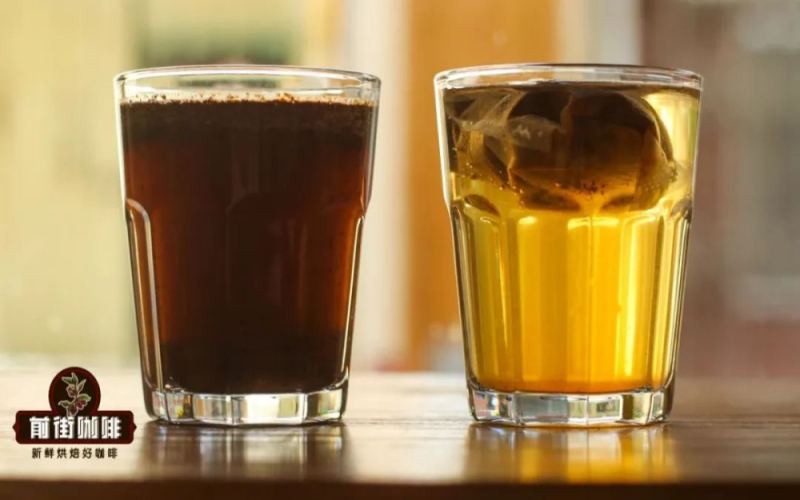
The Complete Guide to Cold Brew Coffee: From Bean Selection to Parameters, Teaching You to Make Clean and Sweet Iced Coffee
On a scorching summer day, a glass of icy, clean cold brew coffee is undoubtedly a refreshing treat. Unlike iced coffee drinks such as cold drip or affogato, cold brew is made by steeping coffee grounds in cold water for an extended period and then filtering—simple to make, yet full of subtle details. This article will systematically explain how to make cold brew coffee from the perspectives of bean selection, grind size, coffee-to-water ratio, brewing temperature, and time, while sharing Front Street Coffee's practical parameters and troubleshooting experience for common issues, helping you easily craft a balanced, richly flavored homemade cold brew. [more…]
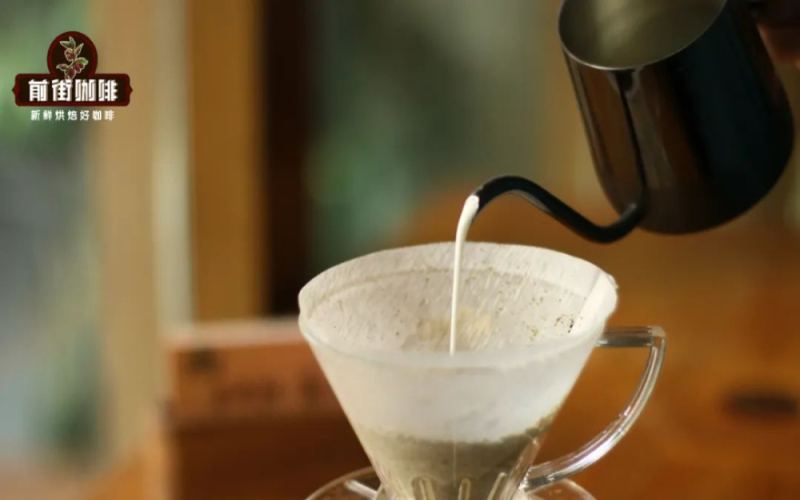
How to Add Milk to Pour-Over Coffee Without Ruining It: A Complete Practical Guide from Bean Selection to Milk Temperature
Want to make a delicious milk coffee at home with pour-over equipment, but always end up with too much milk flavor or the coffee losing its sweetness? The problem lies in concentration, beans, grind, water temperature, and milk quantity. Pour-over coffee has a concentration of only about 1.3%, while espresso is as high as around 9%, so adding milk directly tends to let the milk overpower the coffee. Drawing on brewing experience, Front Street Coffee offers practical parameter suggestions step by step—from choosing medium-dark roasted beans, a grinding standard of 75% passing through a No. 20 sieve, a water temperature of 88–90°C, and a coffee-to-water ratio of 1:9–1:11, to adding 80–100 ml of whole milk and heating it to 60–70°C—to help you make a pour-over milk coffee with a balance between coffee and milk. [more…]
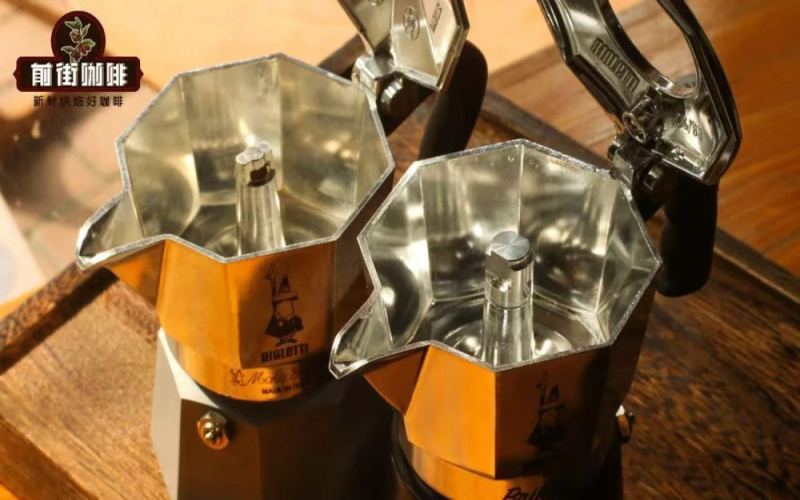
The Complete Guide to Crema Extraction with a Moka Pot: Bean Selection, Grinding, Water Temperature, and Pressure-Boosting Techniques Explained
Many Moka pot users are often puzzled by their inability to extract ideal coffee crema; in reality, this is closely tied to bean selection, grind size, water temperature control, and the pressure of the equipment itself. Drawing on Front Street Coffee's practical experience, this article systematically breaks down the nature of crema in the Moka pot and shares specific methods for enhancing its richness. The content covers tips for choosing fresh dark-roasted beans, key operating points for fine grinding and using hot water, and application techniques for double-valve Moka pots and pressurization accessories, helping coffee enthusiasts make a rich, full-bodied cup of Moka pot coffee at home. [more…]
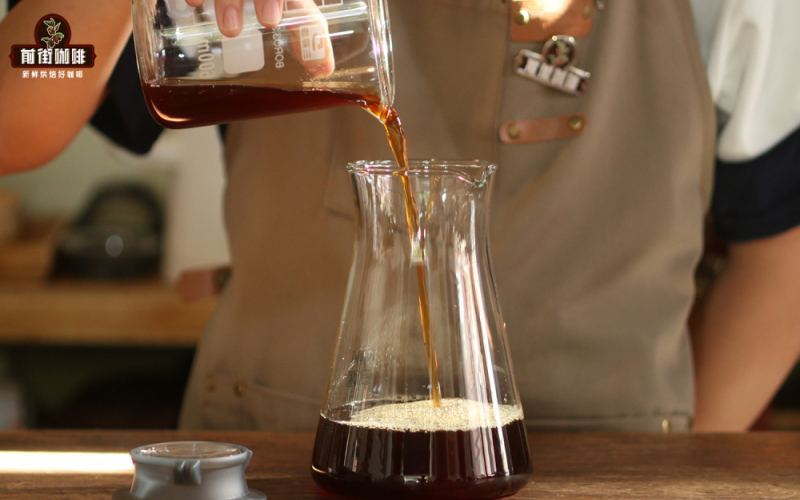
The Complete Guide to Making Cold Brew Coffee at Home: A Detailed Explanation of Coffee Bean Roast Level Selection, Grinding Parameters, and Steeping Ratios
Making a refreshing, easy-drinking cold brew coffee at home is actually not complicated, but there are a few key details worth paying attention to. Cold brew differs from hot brewing in that it relies entirely on low-temperature water of 4-10°C for slow extraction throughout, so the roast level of the coffee beans, grind size, steeping time, and coffee-to-water ratio all directly affect the final flavor. Front Street Coffee, drawing on its daily production experience, shares a complete approach from bean selection to filtration, and offers specific suggestions regarding the differences in performance between light-roasted and medium-dark-roasted beans. If you'd also like to enjoy a cup of iced coffee with balanced acidity and sweetness and a clean mouthfeel anytime in summer, you might want to try making it by following the steps below. [more…]

Beginner's Guide to Drip Coffee: From Brewing Principles to Taste and Flavor, Front Street Teaches You Bean Selection and Pour-Over Techniques
What exactly is drip coffee? How does it differ from espresso? Starting from the origins and working principles of the drip method, this article provides a detailed analysis of the taste characteristics of drip coffee, its core differences from espresso, the ideal brewing water temperature and roast level selection, and, combined with practical case studies of Front Street Coffee's V60 and KONO brewers, gives specific brewing parameters for bean varieties such as Sidamo Flower Queen and Mandheling. Whether you are a beginner who has just encountered coffee or an enthusiast looking to refine your pour-over technique, you will find brewing ideas and bean selection suggestions that suit you. [more…]
Hot Americano Coffee Water-to-Coffee Ratio and Water Temperature Selection: What Temperature Is Best for Brewing
Americano is made with espresso as its base, diluted with hot water. It seems simple, but in reality, both the water-to-coffee ratio and water temperature affect the final flavor. This article starts with the origin of Americano, provides a detailed analysis of the standard preparation parameters for hot Americano, and by comparing the tasting performance of four water temperatures—55°C, 65°C, 75°C, and 90°C—immediately after preparation, 5 minutes later, and 20 minutes later, identifies the most suitable water temperature range for dine-in hot Americano. The article also recommends several Front Street Coffee espresso beans and their Americano preparation parameters for coffee enthusiasts' reference. [more…]
Beginner's Guide to Pour-Over Coffee: A Detailed Look at Equipment Selection, Coffee-to-Water Ratio, and Three-Stage Pouring Techniques
Want to brew a delicious pour-over coffee at home but don't know where to start? Drawing on the production experience of Front Street Coffee, this article systematically lays out all the equipment and ingredient selection points needed for pour-over, including how to judge coffee bean freshness, grind size references for grinders, water quality selection, and recommendations for drippers and pour-over kettles. It also explains in detail the coffee-to-water ratio, water temperature range, and the specific operation of three-stage pouring, and uses a Panama Boquete washed Geisha as an example to fully demonstrate each step from blooming to the end of dripping, helping beginners quickly build a pour-over framework. [more…]
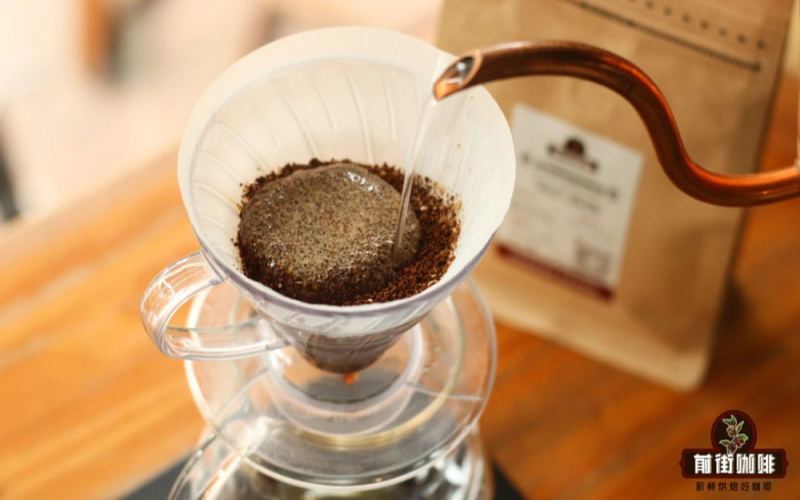
A Beginner's Guide to Pour-Over Coffee: 7 Key Elements from Bean Selection to Extraction and a Step-by-Step Breakdown
For those just getting into specialty coffee, the wide array of equipment and techniques can often feel overwhelming. In reality, pour-over coffee isn't as complicated as it seems—master a few core points and you can get started quickly. This article compiles 7 key elements distilled from Front Street Coffee baristas' years of hands-on experience, covering coffee bean freshness, grind size, water temperature control, water quality requirements, dripper selection, coffee-to-water ratio, and extraction time, and further breaks down the three stages of coffee extraction: wetting, dissolution, and diffusion. Finally, using Front Street Ethiopia Sidamo Natural Hualing 8.0 as an example, it presents a complete practical workflow from parameter setting to brewing technique, helping beginners build a clear pour-over framework. [more…]
Apple Sailor Pour-Over Coffee Practical Guide: Complete Parameters and Flavor Comparison from Bean Selection to Four-Pour Technique
Using apple-infused water instead of regular drinking water to brew coffee has recently attracted considerable attention in the coffee community. Front Street Coffee conducted multiple rounds of hands-on testing on this, breaking down the feasibility and flavor performance of this approach step by step—from bean selection and apple water boiling time to pouring technique. This article provides a complete record of Front Street's brewing process and tasting results using three beans: Sidamo Santa Vini, washed Yirgacheffe, and Panama Geisha, along with a comparison against versions brewed with Nongfu Spring water, analyzing the effect of apple water's mild acidity on coffee flavor extraction, offering coffee enthusiasts a reproducible operational reference. [more…]
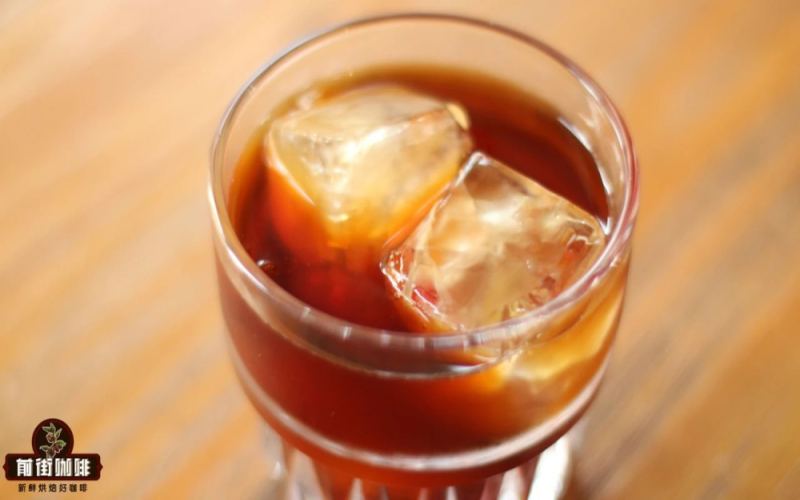
AeroPress Iced Coffee Brewing Guide: Bean Selection and Extraction Parameters Explained
In the heat of midsummer, iced coffee becomes the daily go-to for many coffee lovers. Making a satisfying AeroPress iced coffee actually involves quite a few factors—the freshness of the coffee beans, nailing the grind size, and controlling the extraction time; every step affects the final flavor expression. This article uses Front Street washed Yirgacheffe as an example, starting from the logic of bean selection, to break down in detail the AeroPress iced coffee brewing process and core parameters, including grind size, coffee-to-water ratio, water temperature, and operating steps, helping you reliably recreate a cup of iced coffee rich with floral aromas and abundant fruity character at home. [more…]

A Complete Guide to Bean Selection and Brewing for Pour-Over Coffee: Equipment Pairing, Parameter Control, and a Practical Case Study of Yunnan Typica
Want to brew a delicious pour-over coffee at home but don't know where to start? This article begins with the definition of pour-over coffee and the cultural differences behind its various English expressions, systematically breaks down the role of essential equipment, and takes a deep dive into the four core variables: coffee-to-water ratio, grind size, water temperature, and extraction time. At the same time, using Routine Front Street Coffee's Yunnan sun-dried Typica as an example, it provides a complete demonstration of the three-pour process and flavor performance, helping coffee enthusiasts build a reproducible brewing framework, understand the differences between light-roast and dark-roast beans in equipment and water temperature selection, and ultimately find a pour-over approach that suits them. [more…]
Complete Guide to Bean Selection and Brewing for Cold Brew Coffee: Coffee-to-Water Ratio, Refrigerated Fermentation Time, and Storage Tips
Cold brew coffee, with its refreshing taste and rich aroma brought by low-temperature extraction, has become increasingly popular among coffee lovers in recent years. But which beans should you use, how do you set the coffee-to-water ratio, why must it be refrigerated for more than 8 hours after brewing, and how long can it be stored? This article addresses these frequently asked questions, drawing on the practical experience of Front Street Coffee, and breaks down the key points of making cold brew coffee one by one—from bean selection ideas and classic blend recipes to the complete steps for using a Tiamo cold brew tower—to help you make a cup of cold brew coffee that is full of aroma and smooth on the palate. [more…]
How Does Water Temperature Affect Flavor in Pour-Over Coffee? Extraction Experiments and a Temperature Selection Guide from 80°C to 96°C
Water temperature is an extremely critical part of pour-over coffee extraction. It not only determines the degree to which coffee compounds are dissolved, but also directly influences the final flavor direction. Through a comparative experiment at Front Street Coffee using the washed beans of the Yirgacheffe Guddina Cooperative, this article brews at five water temperatures—80°C, 86°C, 90°C, 93°C, and 96°C—observing the changes in acidity, sweetness, tea-like character, and astringency, and offers practical advice on choosing water temperature according to roast level. At the same time, starting from the lignocellulose structure of coffee beans and the structure of soluble aroma molecules, it explains why different water temperatures bring about completely different flavor layers, helping you avoid over-extraction bitterness or under-extraction blandness in your daily brewing. [more…]
The Complete Guide to Making Cold Brew Coffee at Home: Coffee-to-Water Ratio, Grind Size, and Single-Origin Bean Selection Guide
Cold brew coffee, with its unique low-temperature slow extraction process, presents a refreshing yet rich taste with a subtle fermented aroma, and has been increasingly favored by coffee enthusiasts in recent years. But if you want to make a cup of cold brew at home that rivals a café's, every step—from bean selection and grinding to drip speed and refrigerated fermentation—hides its own finer points. This article systematically sorts out the origin and principles of cold brew coffee, explains in detail key specifics such as coffee bean selection, pre-wetting techniques, filter paper placement, grind size, coffee-to-water ratio, and refrigeration time, and shares Front Street Coffee's practical recipes and blending ideas to help you master the complete method of low-temperature extraction and easily recreate a full-flavored cup of cold brew black coffee at home. [more…]
French Press Coffee Grind Size and Bean Selection Guide, with Front Street Coffee Huakui Brewing Step-by-Step Instructions
The French press, with its simple operation and rich, full-bodied flavor, has become the daily go-to for many coffee enthusiasts. But to brew a truly refined cup with it, grind size, water temperature control, and bean selection all matter. Starting from the history and working principle of the French press, this article explains in detail the grind sifting rates and water temperature recommendations for different roast levels, recommends Front Street Coffee beans suited to immersion brewing, and finally, using Front Street Coffee Huakui beans as an example, provides complete French press brewing parameters and steps to help you easily recreate a cup of full-bodied, rich Huakui. [more…]